

Unwhole and Unwholesome
Theoretically, 0.001 percent of a natural animal or plant ingredient that has been extracted with toxic solvents and combined with dozens of laboratory-created flavors qualifies as a “natural ingredient.”
Theoretically, 0.001 percent of a natural animal or plant ingredient that has been extracted with toxic solvents and combined with dozens of laboratory-created flavors qualifies as a “natural ingredient.”
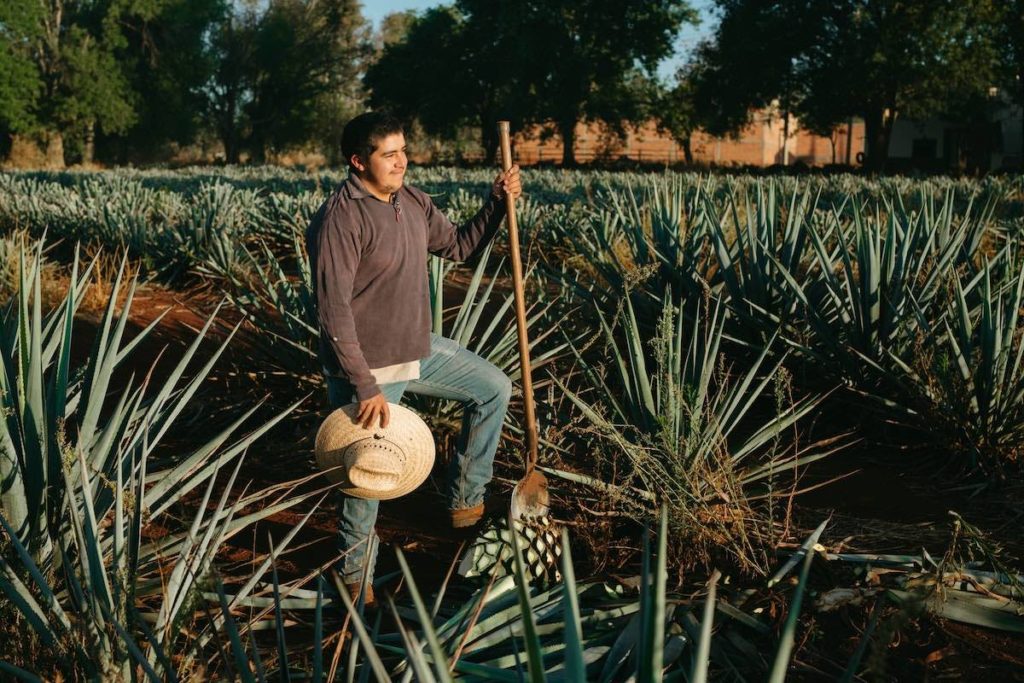
In contrast, hydrolyzing the piña to break down its complex carbohydrates into simple sugars is more efficient, aligning with the economics of mass production.
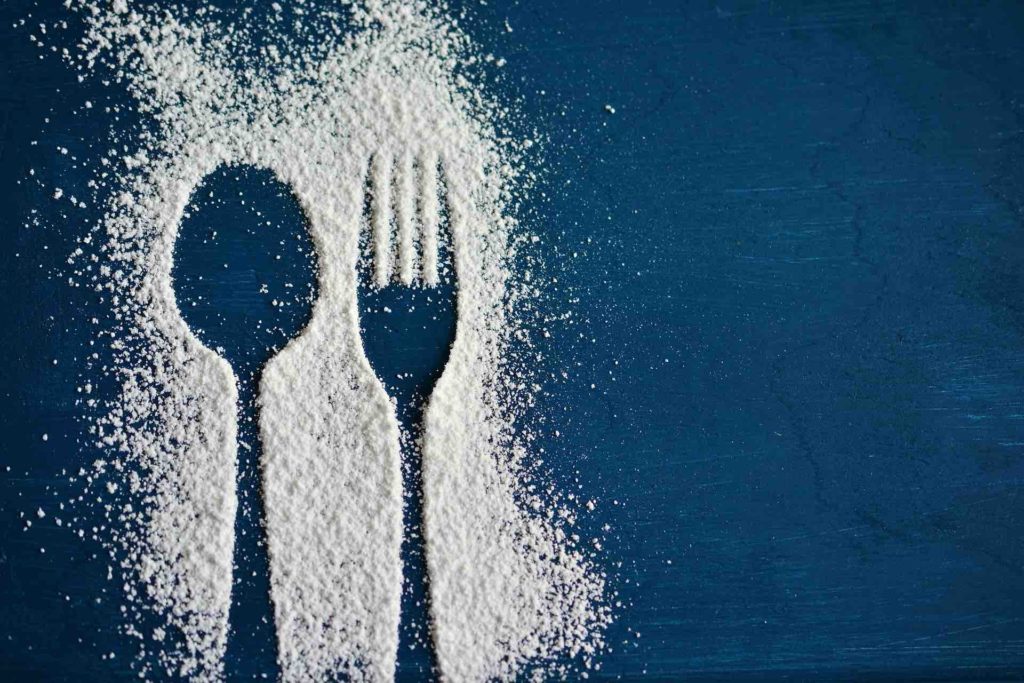
Though swapping out junk food such as sugar for whole foods like dried dates can upgrade one’s diet, processed food inventions are usually best used as transitional tools, like training wheels.

Companies spend millions of dollars and thousands of hours figuring out how to exploit the brain’s reward loop with likes from social media interactions or bliss points of sugar and fat in processed foods.

So eat like a human—eat whole foods. … Avoid putting all your grass-fed eggs in one basket and diversify your nutritional portfolio. And finally, fuel your car at the gas station, not your body.
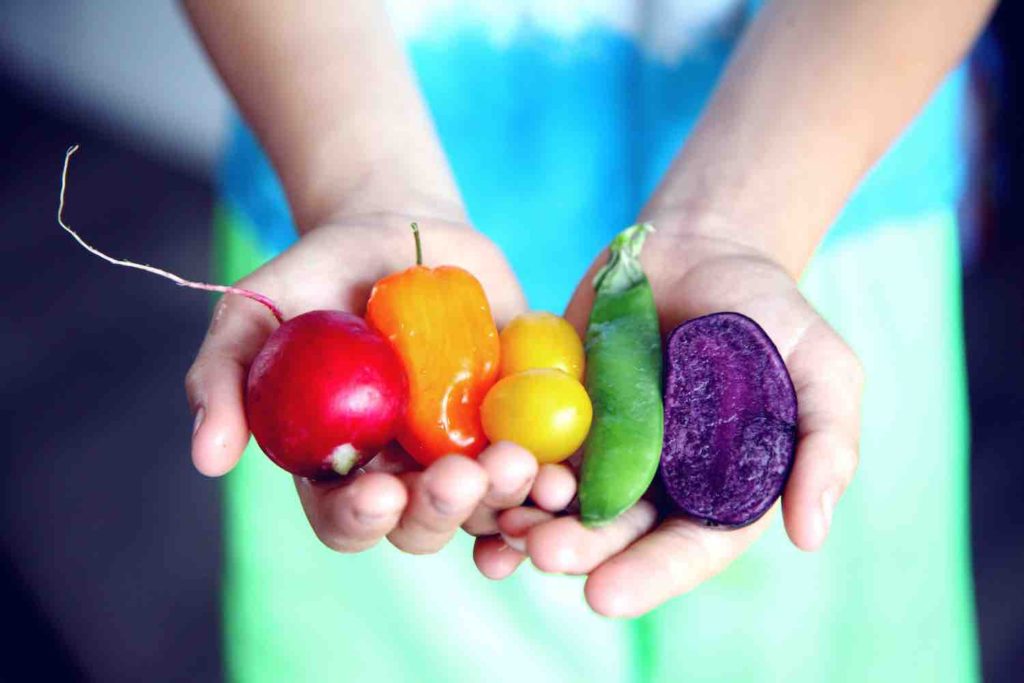
Supplements imitate isolated parts of nature’s complex systems—it’s like manufacturing a car that doesn’t have brakes or a steering wheel. By comparison, nature packages a whole food to contain a wider offering of complementary nutrients.