

Unwhole and Unwholesome
Theoretically, 0.001 percent of a natural animal or plant ingredient that has been extracted with toxic solvents and combined with dozens of laboratory-created flavors qualifies as a “natural ingredient.”
Healthy eating focused on positive transformation. This section is about real, whole food—questioning health claims, avoiding processed substitutes, and making clearer food choices.
Theoretically, 0.001 percent of a natural animal or plant ingredient that has been extracted with toxic solvents and combined with dozens of laboratory-created flavors qualifies as a “natural ingredient.”

In contrast, hydrolyzing the piña to break down its complex carbohydrates into simple sugars is more efficient, aligning with the economics of mass production.
Though swapping out junk food such as sugar for whole foods like dried dates can upgrade one’s diet, processed food inventions are usually best used as transitional tools, like training wheels.

“Citrus Olive Oil produced in Italy” tells you nothing. Ideally, the olives were crushed with citrus, but it could just as well be older Italian oil infused with citrus to disguise the rancid taste. Or Tunisian olive oil blended with citrus flavoring and bottled in Italy.

More importantly, eating seasonally and locally aligns with the sunlight patterns specific to our geography, which significantly impacts our circadian biology.

So eat like a human—eat whole foods. … Avoid putting all your grass-fed eggs in one basket and diversify your nutritional portfolio. And finally, fuel your car at the gas station, not your body.
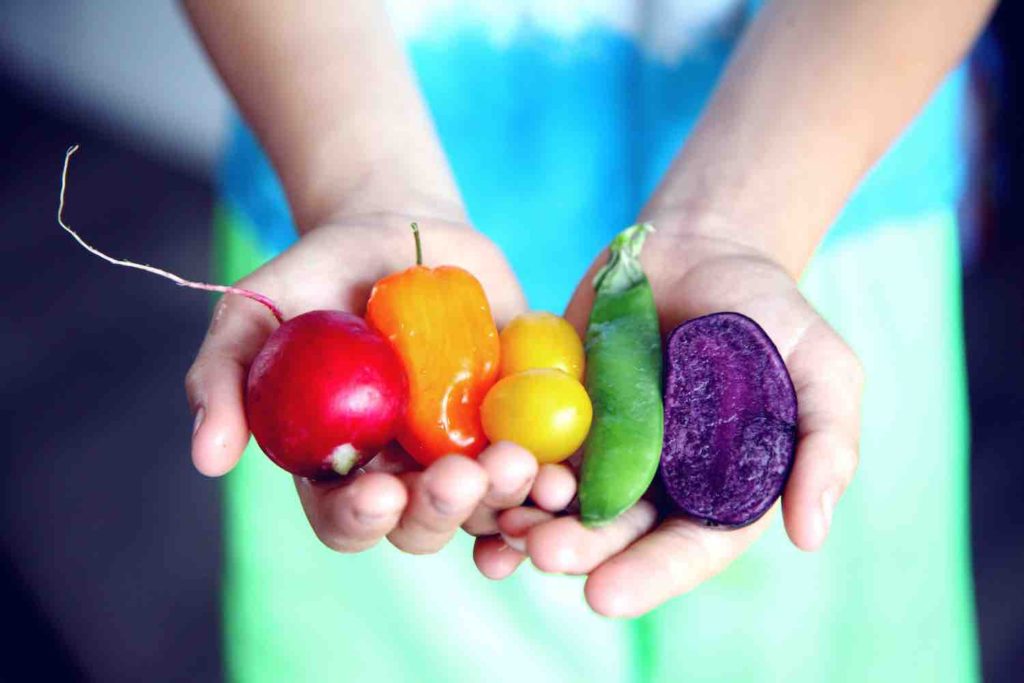
Supplements imitate isolated parts of nature’s complex systems—it’s like manufacturing a car that doesn’t have brakes or a steering wheel. By comparison, nature packages a whole food to contain a wider offering of complementary nutrients.