

Unwhole and Unwholesome
Theoretically, 0.001 percent of a natural animal or plant ingredient that has been extracted with toxic solvents and combined with dozens of laboratory-created flavors qualifies as a “natural ingredient.”
Theoretically, 0.001 percent of a natural animal or plant ingredient that has been extracted with toxic solvents and combined with dozens of laboratory-created flavors qualifies as a “natural ingredient.”

We processed light the same way we processed food.
We processed food, then wondered why metabolism broke down.
We processed light, then wondered why sleep, mood, appetite, hormones, and energy became dysregulated.

Fascia connects every part of your body in a living network affected by movement, tension, stress, posture, and hydration. Caring for fascia means caring for the body as a whole rather than isolated parts.

Most advice on how to naturally reduce stress centers on breathing exercises or meditation. Singing builds on that—your breathing is slower, your exhale is longer, and your attention is anchored in the act itself.
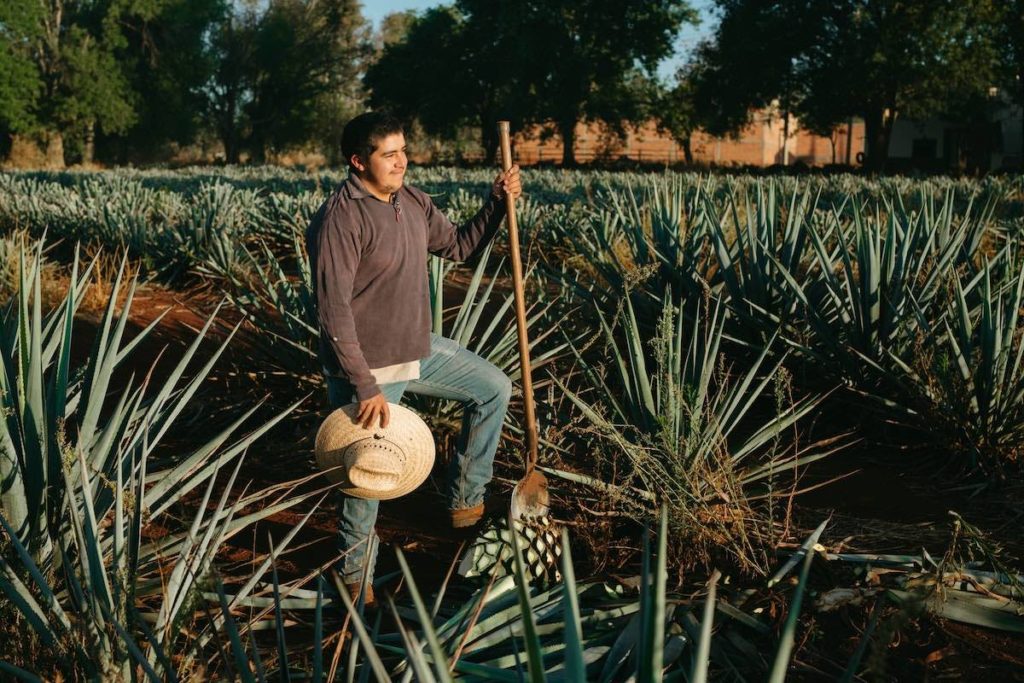
In contrast, hydrolyzing the piña to break down its complex carbohydrates into simple sugars is more efficient, aligning with the economics of mass production.
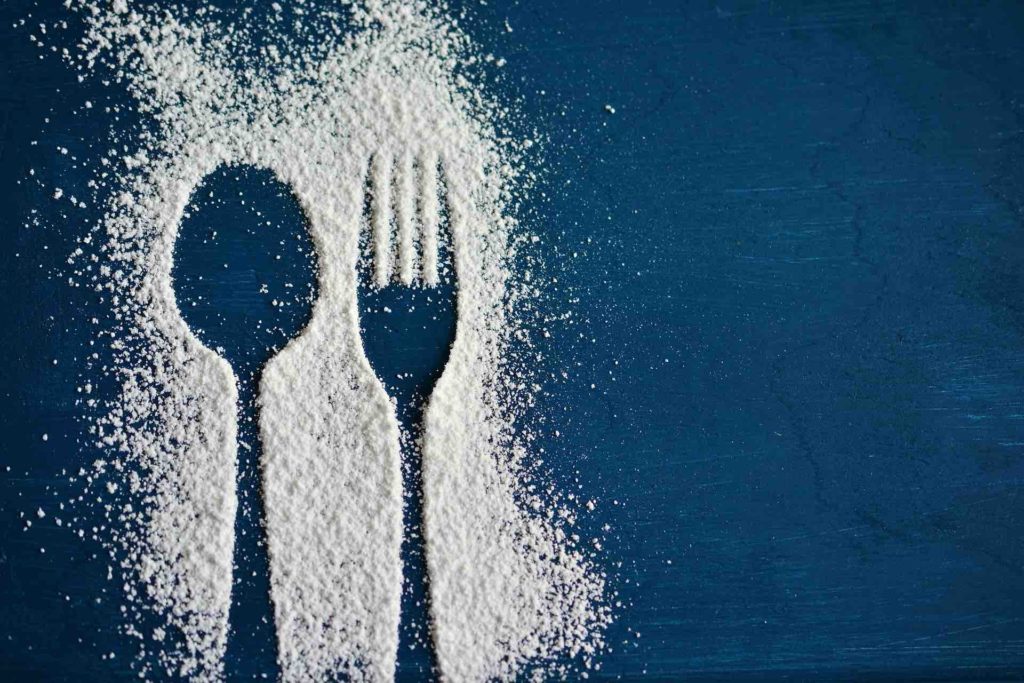
Though swapping out junk food such as sugar for whole foods like dried dates can upgrade one’s diet, processed food inventions are usually best used as transitional tools, like training wheels.

Companies spend millions of dollars and thousands of hours figuring out how to exploit the brain’s reward loop with likes from social media interactions or bliss points of sugar and fat in processed foods.

“Citrus Olive Oil produced in Italy” tells you nothing. Ideally, the olives were crushed with citrus, but it could just as well be older Italian oil infused with citrus to disguise the rancid taste. Or Tunisian olive oil blended with citrus flavoring and bottled in Italy.