
The Power of Plants: Why Vegetables Are Good For You

I do not like broccoli. And I haven't liked it since I was a little kid and my mother made me eat it. And I'm President of the United States and I'm not going to eat any more broccoli.
—George H. W. Bush
Perhaps Mr. Bush was a super taster who was particularly sensitive to the bitterness or sulfurous odor of broccoli. The super nutritious broccoli family includes vegetables such as kale, Brussels sprouts, and arugula. They exemplify why vegetables are good for you—the power of plants in preventing cancer and promoting overall health.
Whole food plant-based eating
Different people can react differently to the same diet.
Even the same person can respond differently to the same diet eaten at different times of the year or in different parts of the world.
Not everyone loses weight eating low carb. Keto can benefit many people, but may not be healthy long term.
We can argue all day about various diets, but health care professionals and researchers overwhelmingly agree that it's better to eat whole foods than processed food.
Most people can benefit from eating more plants, especially vegetables—though how much and which kinds could be up for further discussion.
Plant-based doesn’t necessarily mean healthy
“Plant-based” is often used interchangeably with vegan.
Plant-based literally means more of the diet is plants, though it can still include some animal products.
For the most part, whole food flexitarian omnivores tend to be much healthier than junk food vegans or vegetarians who don’t eat whole foods.
There’s plenty of debate over the health benefits versus deficiencies of vegetarianism. The Standard American Diet has been exported to other parts of the world along with a rise in obesity and metabolic disease. Considering that it consists largely of feedlot animal products and processed foods, eating significantly more vegetables is better for health.
Some plant-based diets forbid nightshade plants such as eggplant and tomatoes. Others condemn the oxalates in certain greens such as spinach and chard. There are even diets that avoid lectins, which are found in many plants, especially beans and grains. Yet the proponents of all of these diets can still agree on the benefits of eating vegetables in general.
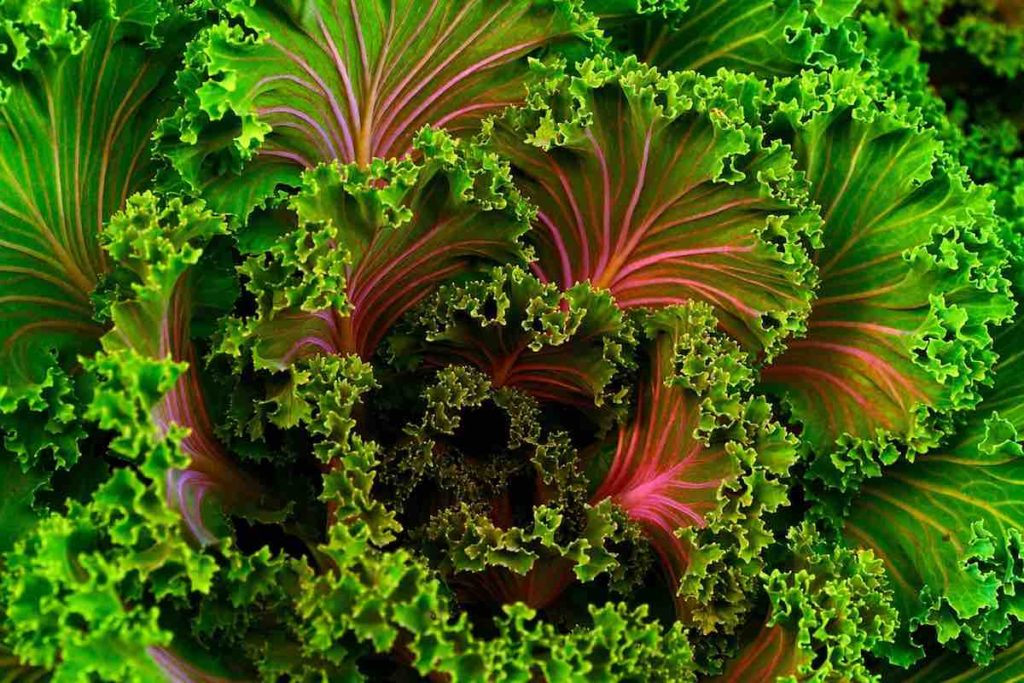
Phytonutrients
Modern agriculture and nutrient depletion
Nowadays, many crops contain fewer nutrients than before the industrial revolution—industrial agriculture's use of chemical fertilizers, pesticides, and herbicides, monocropping, and pollution of our air, water, and soil have stripped the soil of nutrients.
The mineral content of produce is determined by soil quality, regardless of whether the produce is organically or conventionally grown.
Vitamin levels are comparable between conventional and organic produce.
In addition to vitamins, plants have phytochemicals such as antioxidants that help protect us against cancer and aging. Phytochemicals include resveratrol, found in red wine, and the sulfurous compounds in garlic.
Resveratrol has been touted as a supplement that may help lower the risk of heart disease. Yet it's best to get your nutrients from real food. Taking supplements may be useless and even toxic in large amounts.
Phytochemicals help plants protect themselves from predators. Some phytochemicals are toxic to us while others—also referred to as phytonutrients—support our immunity and prevent disease.
Organically grown plants often have higher levels of phytonutrients since they have to fend for themselves against pests and weeds.
In fact, crumpling lettuce 10 minutes before eating it increases the release of protective phytochemicals—more nutritious for us! Jo Robinson discusses this in Eating on the Wild Side.
Why wild and bitter plants are more nutritious
Robinson also explains that most of our fruits and vegetables today have been selectively bred over thousands of years. They’re larger, sweeter, and lower in phytonutrients, i.e. less nutritious, than their Paleolithic predecessors.
Plants closer to their wild ancestral state, such as dandelion greens, arugula, ferns, and herbs, are usually higher in phytonutrients. Likewise, plants that have a strong sour or bitter flavor, such as the broccoli Mr. Bush despised, have more phytochemicals.
Plants nourish the microbiome
It makes sense that the microbiome would be related to the digestive system. Yet who would have imagined that microbes in the gut could affect mood, immunity, blood pressure, weight, and insulin response?
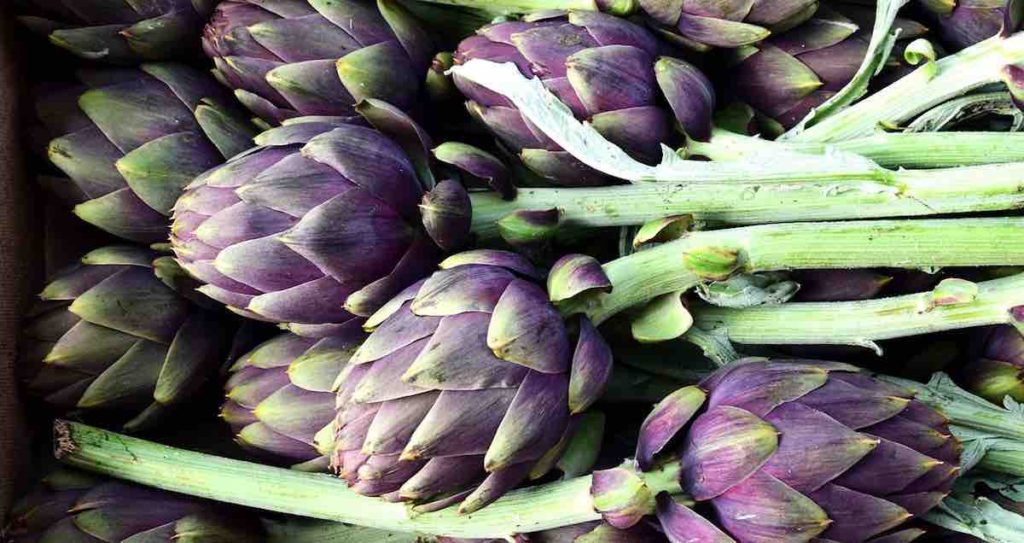
Barely a blip on the radar 20 years ago, there is still a lot to be learned about the microbiome. Yet what scientists have already discovered is that the beneficial bacteria eat mostly plant fiber—so a diet high in processed foods or animal protein would starve them to death. Rich sources of prebiotic fiber include artichokes, asparagus, onions, garlic, beans, and apples.
This is another reason why we can’t thrive on processed nutrition bars, despite their “perfect on paper” nutrient profile.
Help lower blood sugar naturally
High levels of blood sugar can lead to insulin resistance, which is associated with weight gain, diabetes, and other metabolic diseases. Given the high rate of metabolic syndrome and diabetes in the U.S., managing blood sugar is crucial.
Besides feeding the microbiome, the fiber in plants slows down digestion and sugar absorption to prevent blood sugar spikes. Some phytonutrients may also help prevent insulin resistance.
Eating local, eating seasonal
For the most part, farmer’s market produce is fresher and of better quality than what is in a grocery store.
Produce for sale in stores is often picked weeks before reaching the shelves so it can survive transport and have an extended shelf life. Salad greens are harvested far in advance and packaged with nitrogen—only to wilt and rot within a few days of opening. Fruit is picked before its flavor fully develops, and sometimes even picked unripe then gassed with ethylene to trigger color ripening without the accompanying flavor.
More importantly, eating seasonally and locally aligns with the sunlight patterns specific to our geography, which significantly impacts our circadian biology.
Not to mention that seasonal local produce has a much lower carbon footprint and is more affordable. Produce that is out of season has to be sourced from a distance—often from another continent!
Of course, even at a farmer’s market, there will be variations in the quality of the produce. Some farms grow unbelievably beautiful plants, shiny and full of life! It seems that their vivid life force will be passed on to you when you eat them.
Industrial agriculture vs regenerative agriculture
Now that most people are on board with the benefits of organic food, don’t be fooled by marketing.
Consumers may not be aware that organic produce can be grown industrially, using organic chemical solutions, monocropping, or both.
Conversely, organic regenerative farming practices rebuild healthy soil microbiomes, support a balanced ecosystem, and cultivate biodiversity.
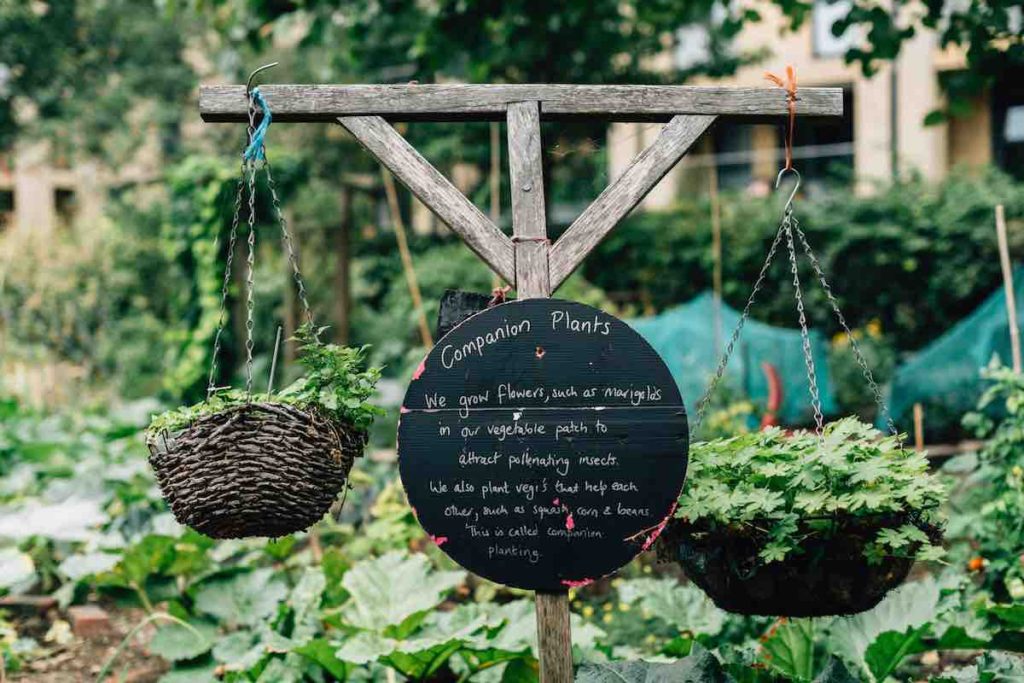
Holistic practices may include using ladybugs or bats to eat pests and planting companion crops that protect neighboring plants from pests.
Unlike industrial feedlots which truck out cow manure and bring in feed grown elsewhere, regenerative farms such as Polyface Farm operate as a self-contained ecosystem.
So don’t be manipulated into buying something simply because it’s labeled “organic.” There might be a local farmer, for instance, who practices holistic organic farming, but can’t afford organic certification. Get to know your local farmers!
Eat more vegetables, worry less about optimizing
It’s not just that mothers know best—there are countless health benefits of vegetables. Vegetables are rich in phytonutrients, nourish the microbiome, and help prevent insulin resistance. Local, organic, and regenerative farming cultivates the most vibrant produce.
If you do just two things—eat more vegetables and unprocessed food—you’re already at 80% to eating well! And rather than trying to optimize that last 20%, how about spending your time doing other things that you enjoy?
To explore these ideas further, find out more about reconnecting with whole foods and plants in my book, Nature's Palette: A Food Journey.
If you'd like help incorporating more whole foods into your life and building healthier long-term habits, you can learn more about working with me.