
Eat Like a Human, Not a Machine: Whole Foods vs Processed Foods
Last updated: April 2026

“Don’t fuel your body at the same place where you fuel your car.”
—Michael Pollan
At its core, eating well often comes down to a simple distinction: whole foods vs processed foods. Michael Pollan continues in his book, In Defense of Food, “Gas stations have become processed-corn stations: ethanol outside for your car and high-fructose corn syrup inside for you.”
In other words, most of the food sold at a gas station is processed. They're not whole foods. They're made for a long shelf life and bad for your health. Even if you think of yourself as a finely tuned Ferrari, don’t get your food at the gas station convenience store. Eat like a human!
The best diet?
Individuals can react differently to the same diet.
Not everyone loses weight by eating low carb. Keto can benefit certain people, but for many others, it isn't healthy long term.
A sure thing
We can argue all day long about various diets, but just about all health care professionals and researchers can unanimously agree that it's good to eat whole foods and not processed food.
Secondly, most modern humans can benefit from eating more vegetables, though how much and which kinds of vegetables could be up for further discussion.
If you do these two things, you’re already 80% of the way to eating well! And rather than trying to optimize that last 20%, how about spending your time doing other things that you enjoy?
Eat real food = Eat whole foods
Though we can have pacemakers and artificial joints, we're not machines. Unlike a motor that uses energy steadily, human metabolism isn’t a simple matter of calories in and calories out. Nor is there a standard such as “add 1 quart of vitamin C every 50 miles” for maintaining peak performance.
Unlike automated machines, our bodies have varying abilities to absorb different nutrients. In addition, we're holistic organisms with emotions and thoughts that can affect our physical condition.
When a computer beats a human at playing chess, it’s not necessarily because computers are smarter than humans. Computers have fewer risk variables such as not getting emotional, tired, or sick.
What are whole foods?
Whole foods include vegetables, grains, legumes, nuts, seeds, and minimally processed animal products—grass-fed and organically raised, when you can find them.
To gauge whether a food is whole or processed, think of its natural state. Have you ever seen an energy bar tree? Or a chocolate truffle bush?
The microbiome
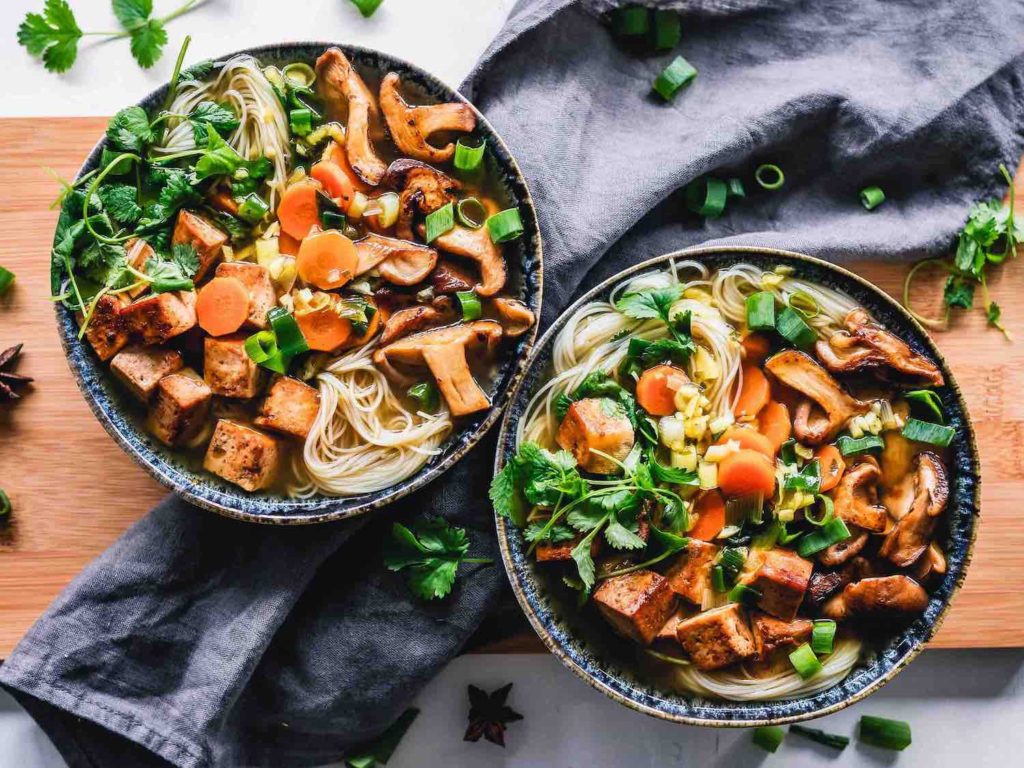
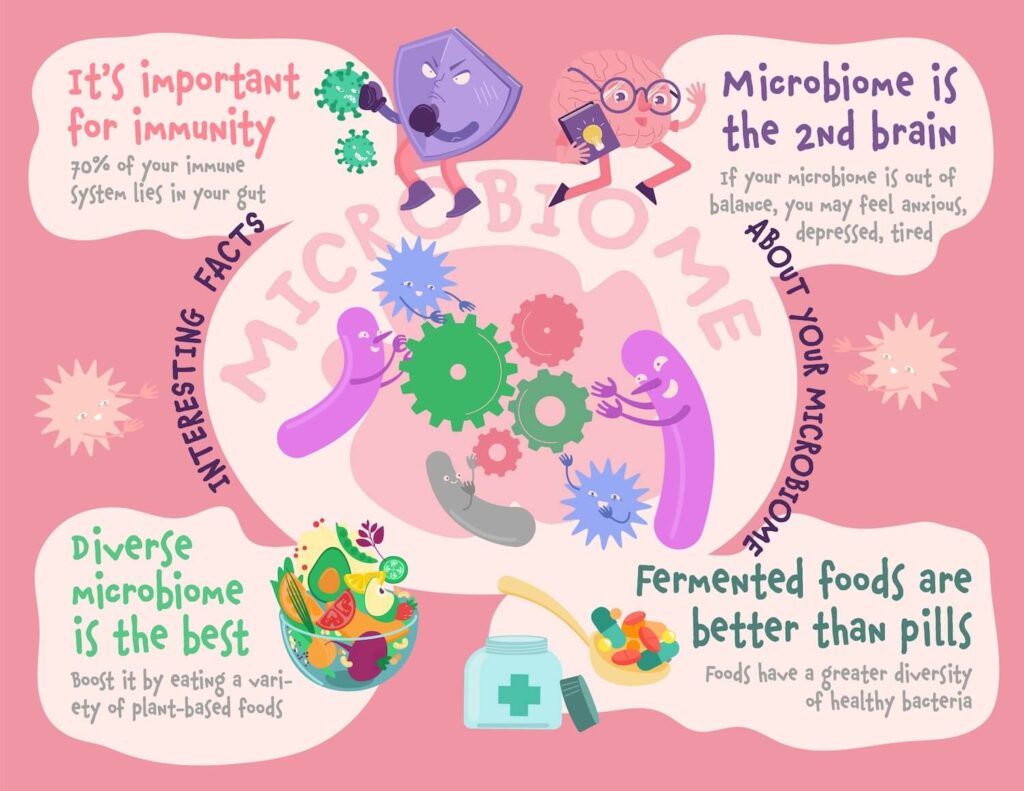
The gut microbiome is another differentiator between humans and machines. It makes sense that the microbiome would be related to the gastrointestinal system. Yet who would have imagined that microbes in the gut could affect mood, immunity, blood pressure, weight, and insulin response?
Barely a blip on the radar 20 years ago, there is still a lot for us to discover about the microbiome. Yet it appears that beneficial bacteria rely heavily on fiber as a primary fuel source, and diets low in fiber—common in processed foods—can significantly deplete them, shifting the balance toward less favorable species.
Why is processed food bad?
Nature packages synergistic nutrients together in whole foods. Like processed food, supplements only focus on a small part of the whole. For example, nuts, which are beneficial to cardiovascular health, often include more than one form of vitamin E. Yet studies that supplemented with synthetic vitamin E have been associated with increased risk of heart disease and stroke, the opposite of the intended effect!
In addition, we have yet to discover all the phytonutrients (health-benefitting compounds in plants, including antioxidants) that exist in whole foods.
Many nutrients are lost in processing. Worse, unhealthy additives may be added in the process.
Consider processed orange juice, which lacks the fiber found in whole oranges. Even fresh orange juice contains little to no fiber—pulp isn’t equivalent to the fiber in whole fruit—and can cause blood sugar to spike. It also lacks the full range of phytonutrients and vitamins found in the whole fruit.
The worst processing is an orange-flavored drink with no fiber, added synthetic vitamin C, high fructose corn syrup, and citric acid to balance the sweet corn syrup and prolong shelf life.
It’s all about the money
Money is a powerful incentive for introducing processed foods into our food system. Industrialized agriculture has a surplus in monocrops such as corn and soy. Food companies are incentivized to find ways to use surplus crops like corn and soy, often turning them into highly processed ingredients.
These incentives don’t just shape what’s produced—they also influence how foods are formulated and marketed, often prioritizing shelf life and profitability over nutritional quality.
Superfoods gone bad

Nowadays, it can be difficult to pick out real food from processed foods. Marketers have gotten so clever.
Many processed foods are marketed as healthier through small substitutions—whole grain flour instead of refined flour, air-fried instead of deep-fried—but they’re still far removed from whole foods.
Kale chips sound healthy—but many store-bought versions are fried in refined oils and processed at high heat, which can degrade heat-sensitive nutrients like vitamin C and certain phytonutrients.
Dulce de leche frozen yogurt?
It’s marketed as a lighter alternative to ice cream, but often contains comparable or higher amounts of sugar. The amount of probiotics present depends on how it was processed. Freezing doesn't kill probiotics, but pasteurization does. Some companies add probiotics back in after pasteurization, prior to freezing.
Feel free to indulge in these foods occasionally, but don’t fool yourself into thinking you’re eating something healthy.
Likewise, I saw ORGANIC GUMMY BEARS at the grocery store and burst out laughing. Oh, and they were also “Fat Free” and “Gluten Free.”
INGREDIENTS: ORGANIC TAPIOCA SYRUP, ORGANIC CANE SUGAR, GELATIN, ORGANIC LEMON JUICE CONCENTRATE, ORGANIC TAPIOCA STARCH, ORGANIC POTATO STARCH, AGAR, COLORS (BLACK CARROT JUICE, BLACKCURRANT JUICE, CARROT JUICE, TURMERIC, PURPLE SWEET POTATO JUICE, CHERRY JUICE, RADISH JUICE), CITRIC ACID, ORGANIC SUNFLOWER OIL, NATURAL FLAVORS, ORGANIC CARNAUBA WAX.
Despite the impressive-sounding ingredient list, these don’t contain enough of any kind of nutrient to make it worth eating for health benefits.
Baby formula
Baby formula is another processed food that appears to have all the appropriate nutrients on paper. Yet zooming in on specific nutrients loses sight of the holistic benefits of mother’s milk, which contains immunity-building probiotics.
Pickles
On the other hand, pickled foods made the traditional way—salted and allowed to ferment naturally over time—are a great source of probiotics. The fermentation process gives it a natural sour taste.
However, industrially processed sauerkraut, pickles, and kim chee aren’t fermented because manufacturers are trying to cut costs and time. These foods get their sour flavor from the addition of vinegar and don’t contain living probiotics. If you want to eat real food, don’t be misled by clever marketing!
The beauty of diversity
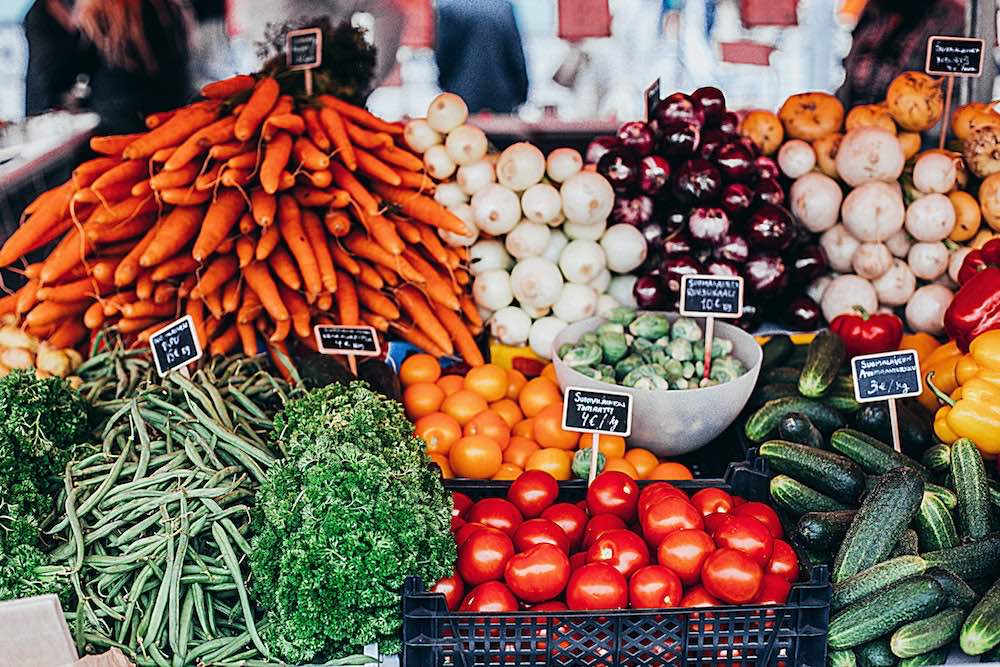
In addition to individual differences in levels of nutrient absorption, humans aren’t able to store certain nutrients in excess. That’s why it’s a good idea to diversify your nutritional portfolio.
Cars might function well with the same octane 91 gas all the time, but humans fare better (pun intended!) with variety. Don’t eat the same things everyday—not even the healthy stuff. Mix up the kale with other greens such as spinach, Swiss chard, or dandelion greens. Swap flax seeds for chia. Try purple cauliflower sometimes instead of eating broccoli all the time.
Similarly, industrial farming's lack of diversity is illustrated through monocropping. Not only does this practice deplete the soil of nutrients, relying on monocrops also puts us in a vulnerable position. Ireland, for example, was devastated by famine when their monocrop of potatoes was wiped out by disease.
Consistency is great for automating machinery. Nature, however, is not consistent year round; nor is it easily controlled. I’m sure this is frustrating for chain restaurants and food processors trying to set standard operating procedures!
In Italy, for example, cows graze on grass in summer and hay in winter. This leads to differences in Parmigiano-Reggiano cheese made with summer vs. winter milk.
The same applies to other foods. Chickens have egg-laying cycles that vary with the seasons. Farmer Joel Salatin had a customer whose Swiss culinary training emphasized seasonal variations in eggs.
The ancient Japanese calendar divides into 72 micro-seasons. Some master chefs cook by that calendar, which changes about every 5 days. Can you imagine the precision required to plan a menu for a five-day window, down to specifics like when “bamboo shoots sprout”?
Eat like a human
So eat like a human, with unprocessed, whole foods. Feel free to indulge sometimes, but don’t be deceived by marketing or government agencies that you’re eating healthy. Avoid putting all your grass-fed eggs in one basket and diversify your nutritional portfolio. And finally, fuel your car at the gas station, not your body.
These ideas are central to how I think about food and health, and I explore them more fully in my book Nature’s Palette.
Eating well doesn’t require a perfect system—just a return to real food, variety, and a bit of skepticism toward anything that comes in a package.
If you'd like help incorporating more whole foods into your routine and making sense of all the conflicting advice, you can learn more about how I work with people.